Ribadesella
View Screen
View Web
bg1

WALK FROM THE LIGHTHOUSE TO VEGA VILLAGE

Description

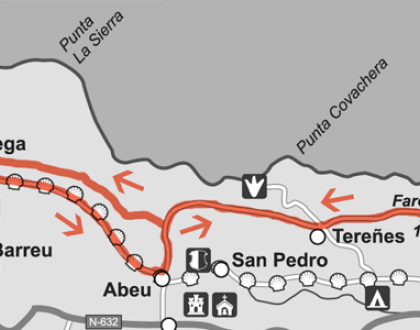
11 km, 3h, maximum difference in height: 150m, difficulty: low, without signaling

GPS coordinates lighthouse N 43º 28. 348 ', W 5º 04. 943'

GPS coordinates crossing Camino de Santiago with Abéu N 43º 28. 469 '- W 5º 07.550'

Suitable for bicycle.

11 km, 3h, maximum difference in height: 150m, difficulty: low, without signaling

GPS coordinates lighthouse N 43º 28. 348 ', W 5º 04. 943'

GPS coordinates crossing Camino de Santiago with Abéu N 43º 28. 469 '- W 5º 07.550'

Suitable for bicycle.

View map

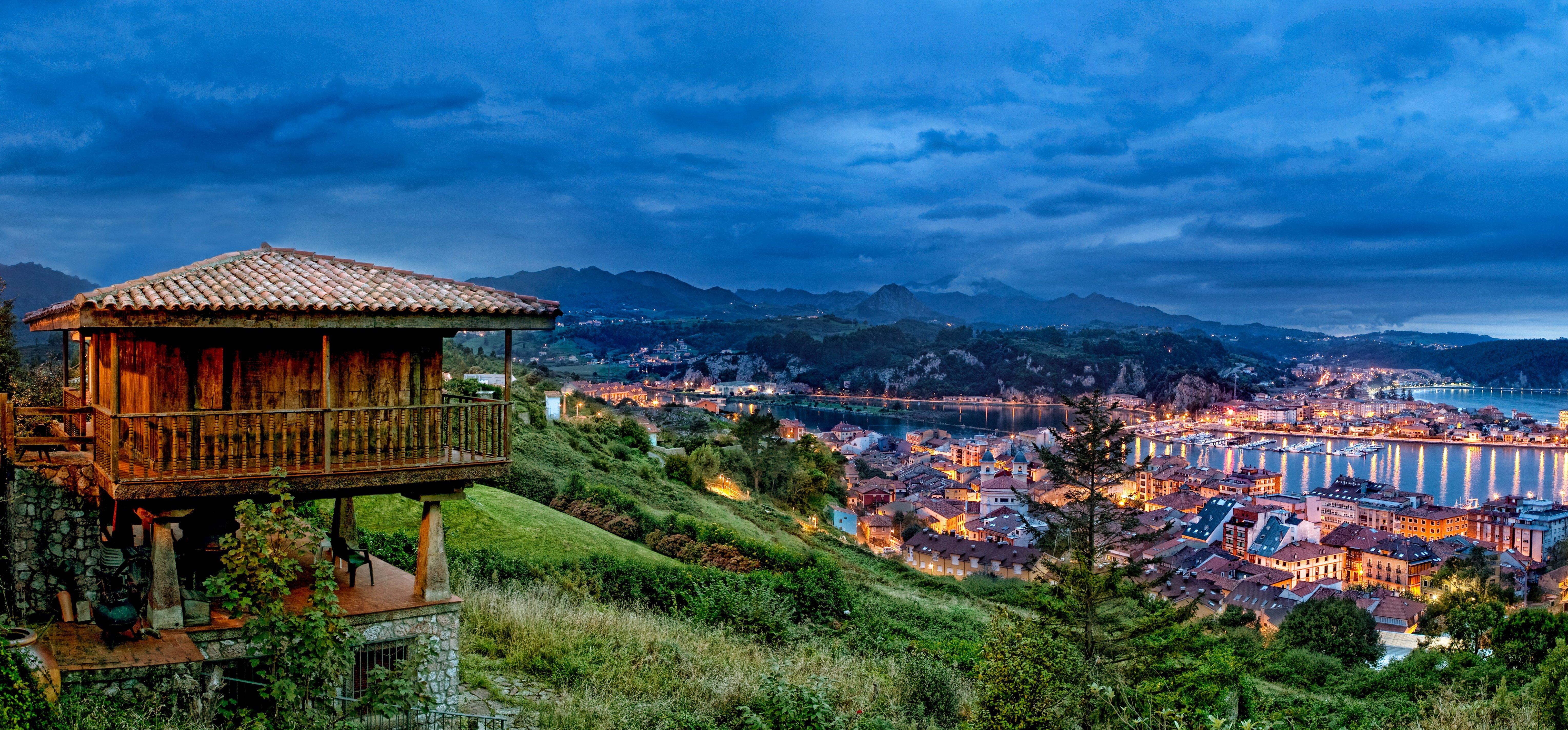
The asturian horreo

Description

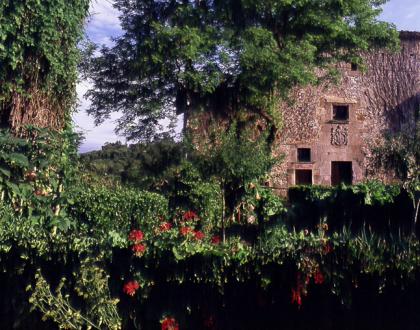
Located in the village of San Esteban, on the site belonging to this lineage. Surrounded nowadays by added constructions, only the main façade is visible, which faces north towards the nearby church of San Esteban. Tampoco os aparecerá la versión en inglés del POI número 29: RUTA DE SENDERISMO DEL FARO A VEGA: WALK FROM THE LIGHTHOUSE TO VEGA VILLAGE 11 km, 3h, maximum difference in height: 150m, difficulty: low, without signaling GPS coordinates lighthouse N 43º 28. 348 ', W 5º 04. 943' GPS coordinates crossing Camino de Santiago with Abéu N 43º 28. 469 '- W 5º 07.550'

View map

FISHING HARBOUR - OLD FISH MARKET

Description

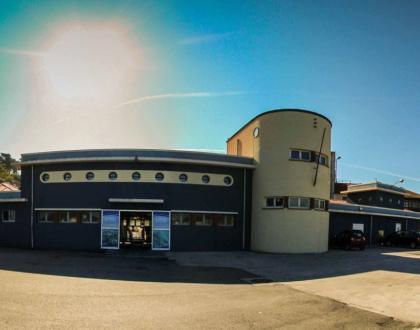
Fishing has historically been Ribadesella’s main industry. During the 20th century Ribadesella was one of the most important fishing harbours in the Cantabrian coast, so several canning factories were established here. Tuna, anchovy, sardine, bream, hake... were the usual species intensively captured and canned for decades. In the river salmon and elver were abundant as well. Today things are quite different, and Fishing has become a sustainable supporting industry. As a result, fishermen’s captures mainly focus in shellfish and near shore fish.

Fishing has historically been Ribadesella’s main industry. During the 20th century Ribadesella was one of the most important fishing harbours in the Cantabrian coast, so several canning factories were established here. Tuna, anchovy, sardine, bream, hake... were the usual species intensively captured and canned for decades. In the river salmon and elver were abundant as well. Today things are quite different, and Fishing has become a sustainable supporting industry. As a result, fishermen’s captures mainly focus in shellfish and near shore fish.

View map

TITO BUSTILLO CAVE ART CENTRE

Description

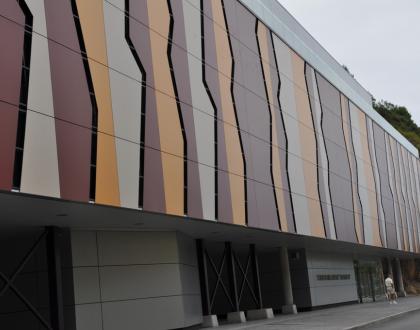
Lately, dissemination and protection of Palaeolithic heritage are being main reasons to create museums and replicas beside the principal Cave Art sites in the world. The novel permanent exhibition in Tito Bustillo Cave Art Centre is the result of a daring effort to offer Prehistory to visitors on a catchy way. As you will see, the whole conception of the exhibition displayed inside is combining serious academic rigour with varied attractive museistic proposals.

Lately, dissemination and protection of Palaeolithic heritage are being main reasons to create museums and replicas beside the principal Cave Art sites in the world. The novel permanent exhibition in Tito Bustillo Cave Art Centre is the result of a daring effort to offer Prehistory to visitors on a catchy way. As you will see, the whole conception of the exhibition displayed inside is combining serious academic rigour with varied attractive museistic proposals.

View map

TITO BUSTILLO CAVE - UNESCO SITE

Description

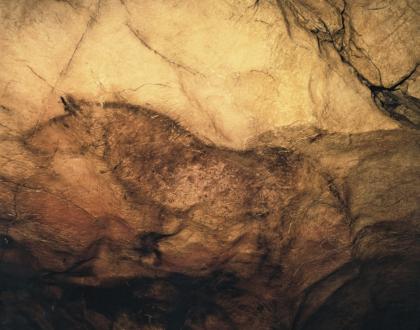
Tito Bustillo Cave is a part of the Ardines massif: a calcareous stone formation placed by the estuary of the Sella River. Pozu’l Ramu is the name of the crack on the top of the massif that was used in 1968 by Tito Bustillo’s expedition to discover this cave.

With Lascaux and Altamira caves, this site is considered one of the most important centres with Palaeolithic Cave Art in the French-Cantabrian area. In fact, the UNESCO included this cave in its World Heritage Site’s List in 2008.


Tito Bustillo Cave is a part of the Ardines massif: a calcareous stone formation placed by the estuary of the Sella River. Pozu’l Ramu is the name of the crack on the top of the massif that was used in 1968 by Tito Bustillo’s expedition to discover this cave.

With Lascaux and Altamira caves, this site is considered one of the most important centres with Palaeolithic Cave Art in the French-Cantabrian area. In fact, the UNESCO included this cave in its World Heritage Site’s List in 2008.
View map

ARDINES MASSIF PICNIC AREA AND VIEWPOINTS

Description

This picnic area at the top of the Ardines massif stands on a typical relief of calcareous undergrounds; and so, dolinas, caves and sinkholes are visible all around. Beneath your feet a complex net of galleries represents the first home of our Palaeolithic ancestors. The entrance to Tennis Cave, the skylight of the Ardines Cuevona and Pozu’l Ramu Sinkhole, stand hidden on the zone.

View map

VEGA BEACH AND ENTREPEÑES DEFILE NATURAL MONUMENT

Description

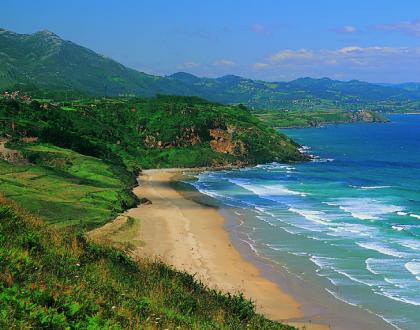
Vega beach is a beautiful 1,5 km long sandy beach that spreads at the end of the Acebu stream. This vast natural zone conserves a valuable non altered dune ecosystem and some geological and paleontological exceptions. The rocky area on its eastern limit holds some Jurassic layers that are a part of the renowned ‘Dinosaurs Coast’, being the third dinosaur’s footprints site in the district. 

View map

SANTA MARINA PROMENADE – THE INDIANOS’ MANSIONSPaseo de la playa.(Arquitectura de Indianos)

Description

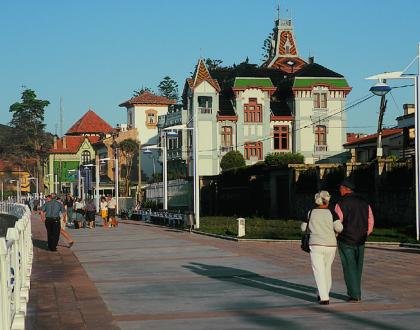
At the beginning of 20th century the western side of Ribadesella became one of the principal tourism destinations in Spain for nobility families. In the first decades of the century, the Marquise of Argüelles came to be a pioneer tourism promoter of this beach area, just a sandy wetland with no constructions at all until then. Her distinguished clients were mostly the Indianos: local emigrants, rich entrepreneurs and classy lineages who came back from America with big fortunes. They became the usual owners of these mansions by the sea. 

View map

Pages

Subscribe to Turismo Ribadesella RSS
en